
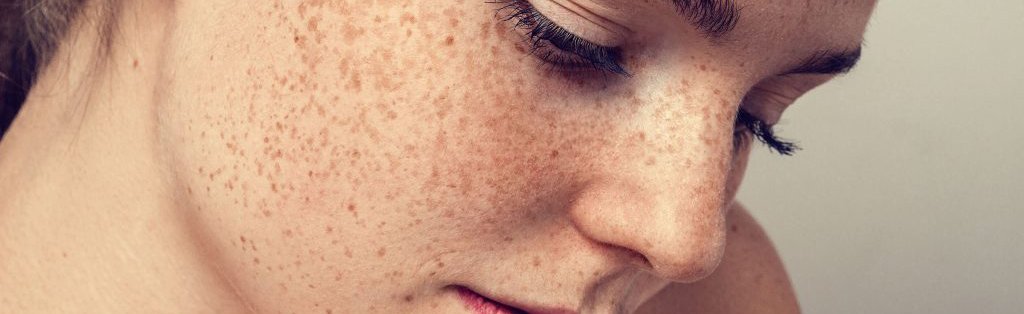
Fade Those Dark Spots: Your Comprehensive Guide to Post-Inflammatory Hyperpigmentation (PIH)
Ever wonder why those dark spots linger long after a pimple has healed? That, my friend, is post-inflammatory hyperpigmentation (PIH) rearing its stubborn head. This guide dives deep into what PIH is, why it shows up on your skin, and how to tackle those pesky marks.
What is PIH?
PIH is a common skin concern that manifests as brown or black marks following inflammation. This inflammation can stem from various causes, including:
- Acne Breakouts: A major culprit, especially for facial PIH. Inflamed pimples can trigger an overproduction of melanin, the pigment that determines your skin color. This melanin buildup can leave dark spots even after the pimple itself fades.
- Eczema and Other Inflamed Skin Conditions: Eczema outbreaks can leave behind darkened patches, particularly on the face, hands, and arms.
- Dermatitis: Contact dermatitis, caused by irritants or allergens, can lead to PIH after the inflammation subsides.
- Wounds and Injuries: Skin injuries that heal with inflammation can result in PIH, especially for people with darker skin tones.
- Skin Treatments: Some cosmetic procedures, like laser resurfacing, microneedling, or chemical peels, can trigger PIH as a side effect.
While anyone can develop PIH, some factors increase your susceptibility:
- Skin Type: People with darker skin tones (Fitzpatrick skin types IV-VI) are more prone due to their naturally higher melanin production.
- Sun Exposure: Sun exposure worsens PIH and makes it harder to fade. Protecting your skin with sunscreen is crucial!
- Genetics: Some people are simply more likely to develop PIH after inflammation.
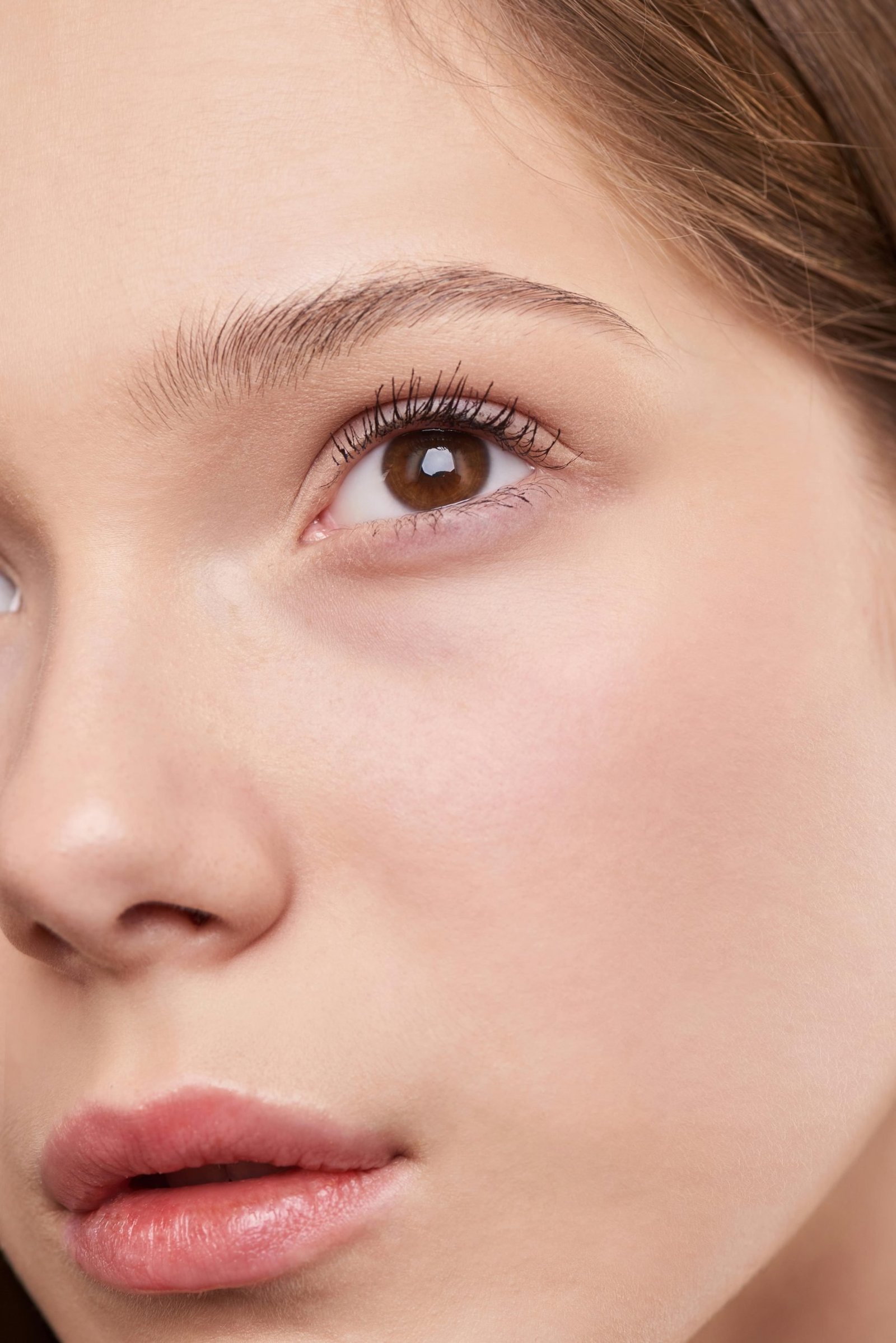
How Does PIH Form and Fade?
Understanding PIH formation can empower you to combat it:
- Inflammation: An injury, pimple, or something else triggers inflammation in your skin.
- Melanin Overdrive: Skin cells send signals to melanocytes, the pigment-making cells, to go into overdrive.
- Melanin Buildup: This melanin overproduction leads to visible dark spots on the skin’s surface.
- Natural Fading: Over time, your body naturally gets rid of the extra melanin, and the PIH spots slowly fade. However, this natural process can be slow, taking months or even years.
Traditional PIH Treatments and the GlocalCare Alternative
There are traditional PIH treatments available, each with its own pros and cons:
- Lightening Creams: These contain ingredients like hydroquinone, kojic acid, azelaic acid, and glycolic acid. They work by either slowing melanin production or helping your skin shed the top layer containing the extra melanin. While effective, these creams can irritate some people’s skin and require consistent use for results.
- Chemical Peels: Chemical peels use controlled exfoliation with acids to remove the top layers of skin containing excess melanin. While effective, peels can be harsh and require a professional to perform.
- Laser Treatments: Specific lasers can target melanin and break down hyperpigmented areas. However, lasers are expensive and may require multiple sessions, with potential side effects like redness and scarring.
GlocalCare: A Natural Alternative for PIH Management
Fight Back Against Fading Beauty: GlocalCare’s Two-Pronged Attack on PIH
Stubborn dark spots lingering after a pimple heals? Don’t let PIH steal your radiant complexion! GlocalCare offers a natural, two-pronged attack to address PIH at its root.
Introducing the Dynamic Duo:
- Depigmentation for Lasting Results: Depigma GlocalCare tackles hyperpigmentation head-on. Its key ingredient, Setria® Glutathione, helps regulate melanin production, the culprit behind uneven skin tone. This translates to a brighter, more even complexion with a lasting, healthy glow.
- Cica GlocalCare: Your Skin’s Healing Hero: This powerful formula packed with natural ingredients soothes and heals your skin. Here’s how Cica GlocalCare fights PIH:
- Reduces Inflammation: Cica boasts natural anti-inflammatory properties that can minimize the inflammatory response, a key trigger for PIH development.
- Enhances Natural Repair: Cica promotes wound healing and collagen production, minimizing the risk of PIH and promoting even-toned, healthy skin.
By combining Depigma’s power to regulate melanin production with Cica’s ability to soothe inflammation and enhance healing, GlocalCare offers a comprehensive approach to PIH management. It’s like a one-two punch for your skin, helping you achieve a radiant, even-toned complexion and unleash your inner glow.
Synergy for Enhanced Results
Combining Cica and Depigma in your GlocalCare regimen may create a synergistic effect for managing PIH. Here’s how they work together:
- Cica calms and soothes the skin, potentially helping to minimize the inflammatory response that can trigger PIH. This creates a more favorable environment for proper healing and reduces the risk of excess melanin production.
- Depigmentation with Setria® Glutathione helps regulate melanin production at the source, preventing the formation of new dark spots while allowing your body to naturally remove existing pigmentation.
By addressing both inflammation and melanin production, Cica and Depigma work together to tackle PIH from multiple angles. This two-pronged approach may lead to faster fading of existing dark spots and help prevent the formation of new ones.
Conclusion: Reclaim Your Radiant Skin
PIH can be a frustrating skin concern, but there are effective ways to manage it and achieve a more even-toned complexion. By understanding the causes of PIH, exploring solutions like GlocalCare’s natural approach, and incorporating healthy lifestyle practices, you can take control of your skin’s health and regain your radiant glow.
Additional Resources:
-
American Academy of Dermatology: https://www.aad.org/
-
Skin Cancer Foundation: https://www.skincancer.org/
FDA Disclaimer: These statements have not been evaluated by the Food and Drug Administration. This product is not intended to diagnose, treat, cure, or prevent any disease.
GlocalCare’s natural dietary supplement approach offers a non-invasive alternative to laser treatment for PIH management. Studies suggest GlocalCare’s advanced and innovative formula may be effective in addressing various types of PIH. Here’s why GlocalCare might be a preferable option to consider first: