
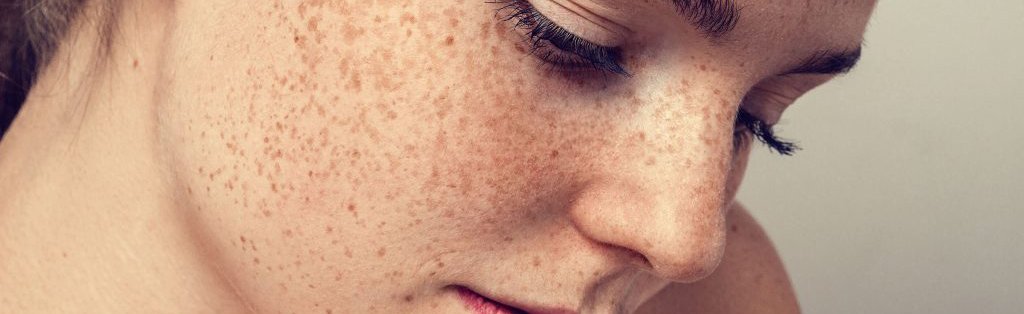
Blue Light and Your Skin: Can Screen Time Contribute to Premature Skin Aging?
Whether you’re answering emails, scrolling through social media, attending virtual meetings, or streaming your favorite show, chances are you’re spending more time in front of screens than ever before.
Introduction
Whether you’re answering emails, scrolling through social media, attending virtual meetings, or streaming your favorite show, chances are you’re spending more time in front of screens than ever before.
Digital devices have become an essential part of modern life, but they’ve also sparked growing conversations about blue light exposure and its potential impact on skin health.
Many people already understand the importance of protecting their skin from ultraviolet (UV) rays. Sunscreen has become a daily essential for millions around the world. But as research into environmental stressors continues to evolve, scientists are also exploring how visible blue light, also known as high-energy visible (HEV) light, may influence skin aging, pigmentation, and overall skin resilience.
So, should you be worried about the hours you spend looking at your laptop or smartphone?
The answer isn’t as simple as yes or no.
Current research suggests that blue light affects the skin differently than ultraviolet radiation. While it does not replace UV radiation as the primary cause of skin damage, prolonged exposure to blue light—combined with sunlight, pollution, heat, and other environmental stressors—may contribute to oxidative stress, which can influence how skin ages over time.
In this guide, we’ll explore:
- What blue light actually is
- Where you’re exposed to it
- What current research says about blue light and skin aging
- Who may be more susceptible to its effects
- Practical ways to help support healthier-looking skin in today’s digital world
What Is Blue Light?
Blue light is part of the visible light spectrum, meaning it can be seen by the human eye. It has a relatively short wavelength and carries more energy than many other visible colors, which is why it’s often referred to as high-energy visible (HEV) light.
Unlike UV rays, blue light is everywhere.
Common sources include:
- The sun
- Smartphones
- Tablets
- Computer monitors
- LED lighting
- Television screens
- Digital billboards
Interestingly, the sun remains the largest source of blue light exposure. Digital devices emit blue light as well, but at much lower intensities than natural sunlight. However, because many people spend long hours using screens every day, researchers continue to study whether cumulative exposure may influence skin health, particularly when combined with other environmental factors.
How Is Blue Light Different From UV Radiation?
This is one of the biggest misconceptions online.
Blue light is not ultraviolet radiation.
Although both are forms of electromagnetic energy, they interact with the skin differently.
|
UV Radiation |
Blue Light |
|
Invisible |
Visible |
|
Well-established cause of sunburn |
Does not cause sunburn |
|
Strong contributor to skin cancer |
No established evidence that screen-emitted blue light causes skin cancer |
|
Major driver of photoaging |
Research is ongoing regarding its contribution to oxidative stress and pigmentation |
|
Blocked by sunscreen |
Not all sunscreens provide significant protection against visible light |
Understanding this distinction is important because discussions around blue light should never replace established sun-protection advice. Daily broad-spectrum sunscreen remains one of the most effective ways to protect your skin from UV-related damage.
Instead, blue light is better understood as one component of the broader environmental stressors that our skin encounters each day.
What Happens to Your Skin During Daily Environmental Exposure?
Your skin works hard every day.
It isn’t only exposed to sunlight. Throughout a typical day, your skin may also encounter:
- UV radiation
- Visible light
- Heat
- Air pollution
- Infrared radiation
- Smoke
- Temperature fluctuations
- Dry indoor air
Together, these factors can contribute to oxidative stress.
Oxidative stress occurs when the production of free radicals exceeds the body’s natural antioxidant defenses. Over time, this imbalance may influence the skin’s structural proteins, including collagen and elastin, while also affecting skin barrier function and overall appearance.
Although oxidative stress is a normal biological process, excessive environmental exposure may accelerate visible signs associated with skin aging.
Can Blue Light Affect Skin Aging?
This is where the science becomes especially interesting.
Current research suggests that visible blue light may contribute to oxidative stress within skin cells, particularly during prolonged exposure. Oxidative stress has long been associated with several visible skin concerns, including:
- Uneven skin tone
- Loss of radiance
- Fine lines
- Reduced elasticity
- Environmental skin fatigue
It’s important to note that researchers continue to study exactly how much screen-generated blue light contributes compared with natural sunlight.
Most experts agree that sunlight remains the primary source of blue light exposure, and ultraviolet radiation continues to be the most significant environmental factor linked to premature skin aging.
Rather than viewing blue light as an isolated threat, many dermatology professionals now consider it part of the broader concept known as the exposome—the collection of environmental factors that influence skin health throughout life

The Exposome: Looking Beyond the Sun
For many years, skin protection focused almost exclusively on UV radiation.
Today, dermatology has expanded that conversation.
Researchers now recognize that healthy skin is influenced by multiple external factors working together, including:
Sun exposure
Ultraviolet radiation remains the most significant contributor to premature skin aging.
Air pollution
Pollutants can increase oxidative stress and affect skin barrier function.
Heat
Heat exposure may contribute to redness and pigmentation concerns in some individuals.
Blue light
Visible blue light continues to be studied for its potential influence on oxidative stress and pigmentation.
Lifestyle factors
Sleep quality, nutrition, smoking, stress, and exercise all influence skin health from within.
Instead of focusing on a single environmental factor, modern skincare increasingly emphasizes supporting the skin against multiple daily stressors.
Who May Be More Susceptible to Blue Light Exposure?
Although research is still developing, some individuals may be more conscious of minimizing cumulative environmental skin stress.
These include:
Office Professionals
People working eight to ten hours daily in front of computer monitors may seek comprehensive skin-support strategies alongside healthy lifestyle habits.
Content Creators
Photographers, designers, editors, and influencers often spend extended periods using multiple digital devices.
Students
Online learning and digital coursework have significantly increased screen time across all age groups.
Frequent Travelers
Travel often combines extended screen use with sun exposure, dry cabin air, and changing climates.
Individuals Concerned About Pigmentation
Some studies suggest visible light may influence pigmentation pathways, particularly in individuals prone to uneven skin tone or post-inflammatory hyperpigmentation, though responses vary between individuals.
Why Antioxidants Matter for Everyday Skin Support
While sunscreen remains the foundation of daily sun protection, antioxidants play an important role in helping the body manage oxidative stress.
Antioxidants help neutralize free radicals generated through normal metabolism and environmental exposure.
They are naturally found in:
- Fruits
- Vegetables
- Nuts
- Herbs
- Certain botanical extracts
- Dietary supplements formulated to support antioxidant defenses
A balanced diet rich in colorful plant foods is one of the best ways to support overall antioxidant intake.
Some individuals also choose supplements formulated with antioxidant ingredients as part of their broader wellness routine, particularly when they spend significant time outdoors or are frequently exposed to environmental stressors.
How Helio GlocalCare Supports Skin Exposed to Blue Light and Daily Environmental Stress
If you’re spending hours each day in front of computers, tablets, and smartphones, it’s natural to wonder how you can better support your skin.
While reducing unnecessary screen time and following a healthy skincare routine are helpful habits, many people are now taking a broader approach by supporting their skin against the multiple environmental stressors they encounter every day.
This is where Helio GlocalCare fits naturally into a complete skin wellness routine.
Helio is formulated as an inside-out skin support supplement designed to help the body manage environmental stress associated with blue light exposure, UV rays, heat, pollution, and oxidative stress. Rather than replacing sunscreen or topical skincare, it is intended to complement them by supporting the skin’s natural antioxidant defenses and overall resilience from within.
For today’s digital lifestyles—where screen exposure is often combined with commuting, outdoor activities, artificial lighting, and environmental pollution—this comprehensive approach can become an important part of a long-term skin wellness routine.
How Helio’s Ingredients Support Skin in the Digital Age
Helio GlocalCare combines scientifically selected botanical extracts, antioxidants, vitamins, and minerals that work together to support skin exposed to modern environmental challenges, including visible blue light.
Polypodium Leucotomos
One of Helio’s hero ingredients, Polypodium leucotomos, has been widely studied for its ability to support skin exposed to environmental light stress.
It helps support the skin’s natural response to oxidative stress associated with UV exposure while also contributing to overall skin resilience, making it an important ingredient for people looking to care for their skin in today’s digital and outdoor environments.
NutroxSun®
NutroxSun® is a standardized blend of citrus and rosemary polyphenols selected for its antioxidant properties.
These plant-derived compounds help support the skin’s natural antioxidant defenses during exposure to environmental stressors, including blue light, sunlight, heat, and pollution, while contributing to healthier-looking skin over time.
Astaxanthin
Astaxanthin is one of nature’s most powerful antioxidants.
It helps support skin cells against oxidative stress generated by everyday environmental exposure and contributes to maintaining skin elasticity, hydration, and resilience.
Pomegranate Extract (Ellagic Acid)
Pomegranate extract provides polyphenols that help support antioxidant activity and contribute to maintaining a brighter, calmer, and more even-looking complexion.
This makes it particularly relevant for individuals concerned about environmental factors that may contribute to uneven-looking skin.
Vitamins C, D, E, B3, and Zinc
These nutrients help support antioxidant defense, collagen maintenance, healthy skin barrier function, and overall skin wellness.
Working together with Helio’s botanical ingredients, they provide comprehensive nutritional support for skin exposed to daily environmental challenges.
Supporting Your Skin Beyond the Screen
Although this article focuses on blue light, it’s important to remember that our skin is rarely exposed to blue light alone.
Throughout a typical day, your skin is simultaneously exposed to sunlight, heat, pollution, and other environmental stressors. That’s why many dermatologists now encourage thinking beyond a single source of exposure and instead supporting overall skin resilience.
Helio GlocalCare was developed with this broader perspective in mind, providing nutritional support that complements sunscreen, topical skincare, healthy nutrition, and everyday sun-protection habits as part of a complete inside-out skin wellness routine.
Support Your Skin From the Inside Out
If you’re looking to build a more complete skin protection routine for today’s digital lifestyle, discover how Helio GlocalCare can complement your daily skincare and sunscreen regimen.
Whether you’re spending hours in front of screens, working outdoors, traveling frequently, or simply looking to support healthier-looking skin against everyday environmental stress, Helio is designed to help you care for your skin from within.
👉 Learn More About Helio GlocalCare
FDA Disclaimer: These statements have not been evaluated by the Food and Drug Administration. This product is not intended to diagnose, treat, cure, or prevent any disease.